
How Digital Tools Help Students Manage Assignments Better
Managing assignments has become more challenging for students today. With multiple subjects, deadlines, online classes, exams, and extracurricular activities, staying organized can feel overwhelming. Traditional methods like handwritten planners or memory-based scheduling are no longer enough. This is where digital tools for students play a crucial role.
Digital tools help students plan, organize, track, and complete assignments more efficiently. From task management apps to cloud storage, note-taking tools, and study planners, technology has transformed how students handle academic responsibilities. In this blog, we’ll explore how digital tools help students manage assignments better, improve productivity, reduce stress, and achieve academic success.

Why Assignment Management Is a Challenge for Students
Before understanding the solution, it’s important to recognize the common problems students face:
Forgetting assignment deadlines
Difficulty managing multiple subjects
Poor time management
Losing notes or study material
Last-minute submissions
Lack of focus and motivation
These challenges can negatively impact grades and mental health. Digital tools address these issues by offering smart, automated, and accessible solutions.
What Are Digital Tools for Students?
Digital tools are software, apps, or online platforms designed to help students with:
Task planning
Assignment tracking
Time management
Note-taking
File storage
Collaboration
Focus and productivity
Most of these tools are free or affordable and can be accessed on mobile phones, tablets, or laptops.
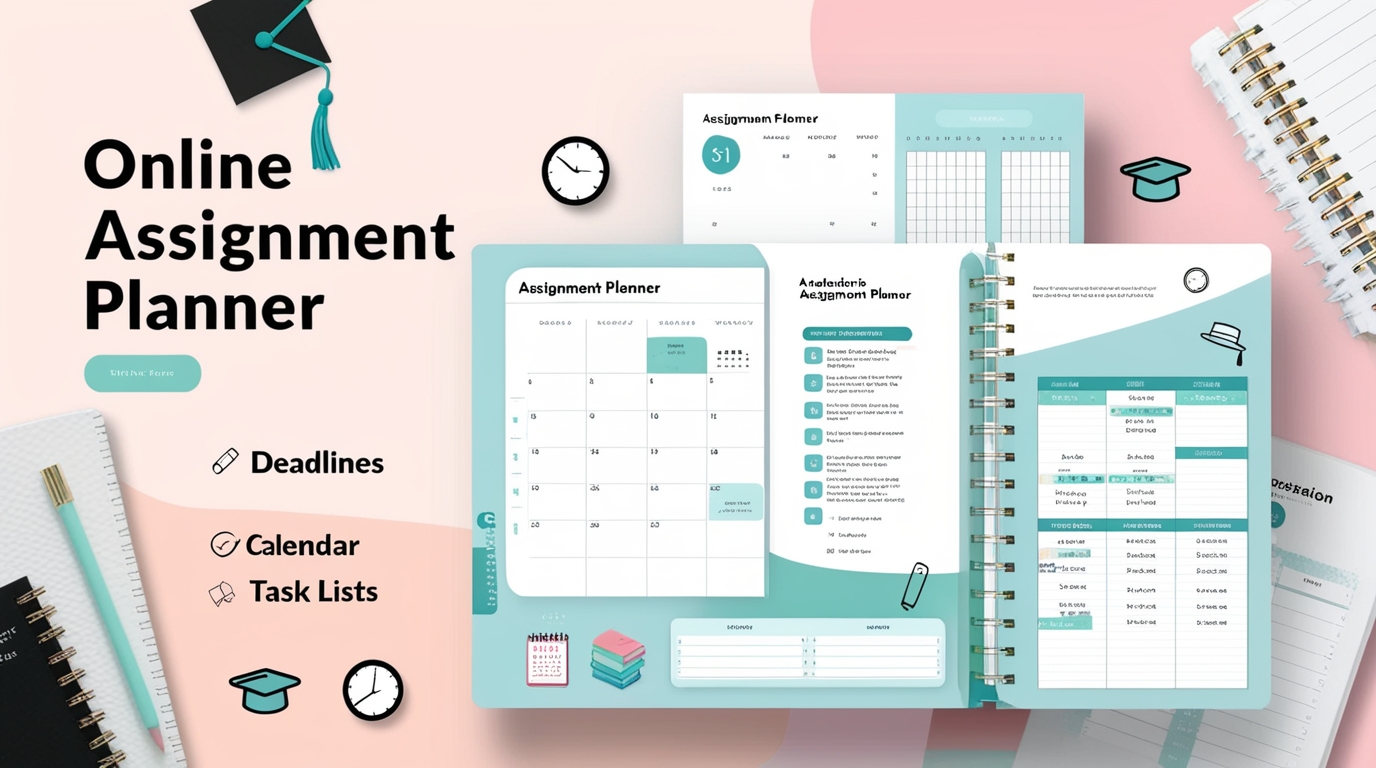
1. Better Assignment Planning and Scheduling
One of the biggest benefits of digital tools is organized assignment planning.
How It Helps:
Students can create task lists for each subject
Deadlines can be added with reminders
Assignments can be broken into smaller tasks
Daily and weekly views improve clarity
Instead of relying on memory, students get notifications and alerts that keep them on track.
SEO Keyword Use: digital assignment planner, assignment management tools for students
2. Improved Time Management Skills
Digital tools teach students how to manage time effectively.
Key Advantages:
Time-blocking features help allocate study hours
Timers and focus sessions improve concentration
Visual schedules show workload clearly
Reduces procrastination
Students learn to prioritize tasks, balance subjects, and avoid last-minute stress.

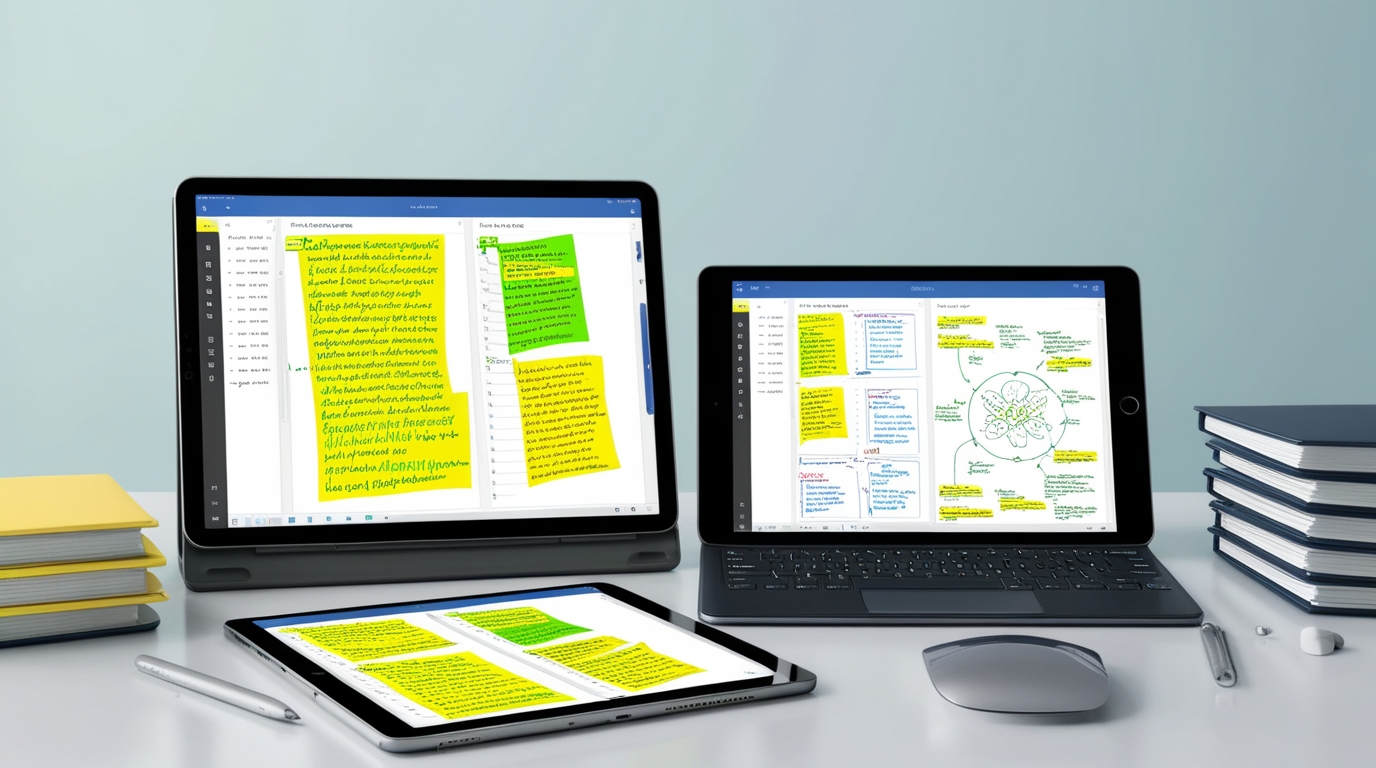
3. Easy Access to Notes and Study Material
Digital note-taking tools make studying more efficient.
Benefits:
Notes can be organized subject-wise
Search functionality saves time
Notes are accessible from anywhere
No risk of losing notebooks
Students can also add images, audio recordings, and links to make learning interactive.
4. Cloud Storage Keeps Everything Safe
Cloud-based tools help students store assignments securely.
Why It Matters:
Assignments won’t get lost
Files can be accessed from any device
Automatic backup prevents data loss
Easy sharing with teachers and classmates
This is especially useful for online submissions and group projects.
5. Collaboration Becomes Simple
Many assignments today involve teamwork. Digital tools make collaboration seamless.
Features That Help:
Real-time document editing
Shared folders for group projects
Commenting and feedback options
Version history to track changes
Students can work together efficiently without confusion.

6. Reduced Stress and Better Focus
One underrated benefit of digital tools is stress reduction.
How Digital Tools Reduce Stress:
Clear task visibility prevents panic
Automated reminders reduce mental load
Progress tracking boosts confidence
Less clutter leads to better focus
When students know exactly what to do and when, anxiety naturally decreases.
7. Tracking Progress and Performance
Digital tools allow students to track their academic progress.
Key Benefits:
Visual progress bars
Completed vs pending task tracking
Productivity insights
Study habit analysis
This helps students understand their strengths and improve weak areas.
8. Support for Different Learning Styles
Every student learns differently, and digital tools adapt to this.
Examples:
Visual learners benefit from charts and planners
Audio learners use voice notes
Hands-on learners use interactive tools
Reading learners organize digital notes
This flexibility improves understanding and retention.
9. Free Digital Tools Make Learning Affordable
Many powerful digital tools are free or freemium, making them accessible to all students.
Why Free Tools Are Important:
No financial burden
Equal learning opportunities
Easy access for school and college students
Ideal for remote learning
Students don’t need expensive software to manage assignments effectively.
10. Preparing Students for the Digital Future
Using digital tools helps students build essential life skills.
Skills Developed:
Digital literacy
Self-discipline
Organization
Productivity management
Tech confidence
These skills are valuable not only academically but also professionally.
Best Practices for Students Using Digital Tools
To get maximum benefit, students should:
Use one main assignment planner
Set realistic deadlines
Review tasks daily
Keep files organized
Avoid overloading with too many apps
Consistency is more important than using many tools.
How Tulsi Digital Hub Supports Students
At Tulsi Digital Hub, we believe in simplifying digital solutions. Our free online tools help students:
Plan assignments efficiently
Manage time better
Stay productive
Reduce academic stress
Our goal is to make digital productivity easy, accessible, and effective for every student.
Conclusion
Digital tools have transformed the way students manage assignments. From planning and scheduling to collaboration and stress reduction, these tools offer a complete solution for academic success. By using the right digital tools consistently, students can stay organized, focused, and confident throughout their academic journey.
If you want smarter, simpler ways to manage assignments, digital tools are no longer optional — they are essential.