

Mistakes Writers Make Without Using Online Text Tools
In today’s fast-paced digital world, writing is no longer limited to pen and paper. Whether you are a blogger, student, content marketer, freelancer, or business owner, writing quality directly impacts visibility, credibility, and conversions. Yet many writers still rely solely on manual writing without using online text tools—and this leads to costly mistakes.
Online text tools like grammar checkers, readability analyzers, plagiarism detectors, and word counters are no longer optional. They are essential productivity and quality-control tools. Writers who ignore them often struggle with errors, poor SEO performance, low engagement, and even content rejection from platforms like Google AdSense.
In this blog, we’ll explore the most common mistakes writers make without using online text tools, why these mistakes hurt performance, and how digital writing tools can easily fix them.
1. Grammar and Spelling Errors Go Unnoticed
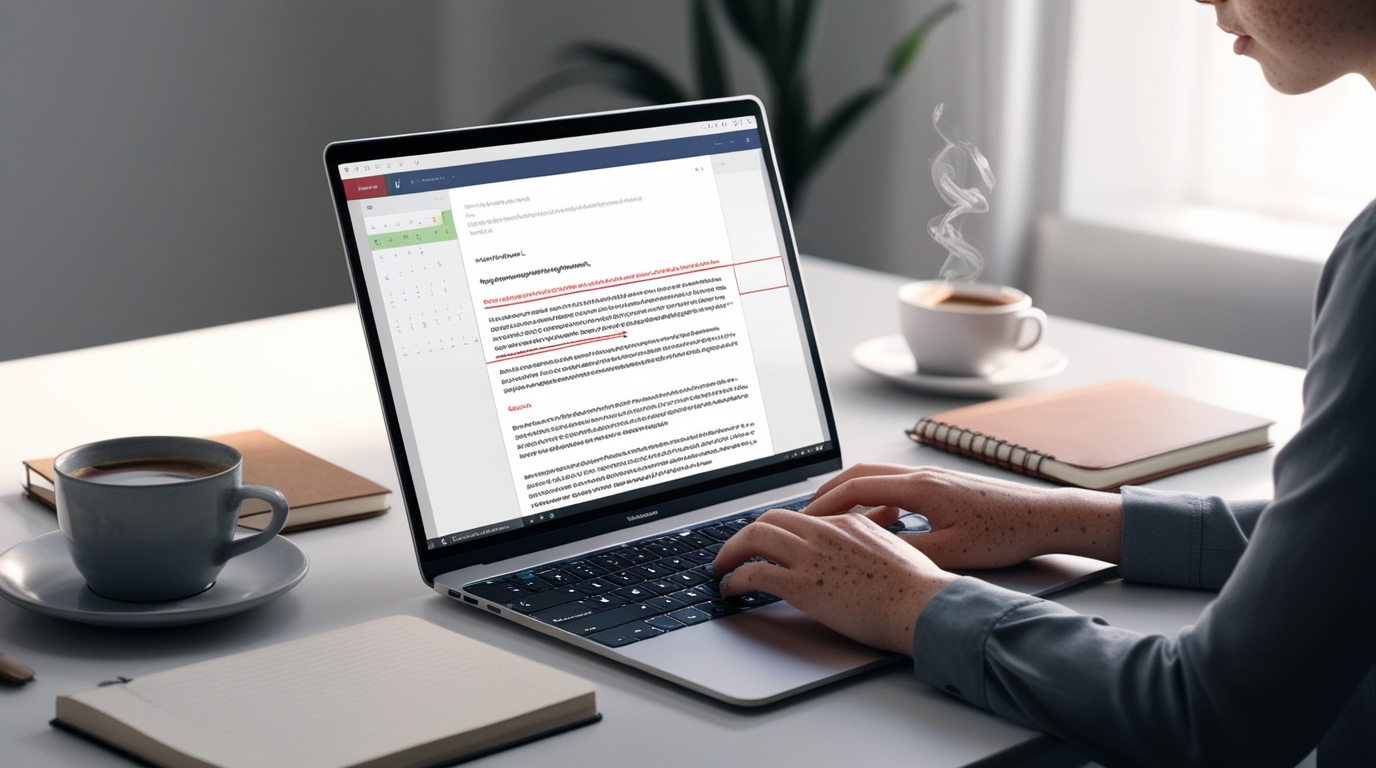
One of the biggest mistakes writers make without online text tools is missing basic grammar and spelling errors.
Even experienced writers can overlook:
Incorrect verb tenses
Sentence fragments
Repeated words
Misspelled common terms
When readers encounter errors, they immediately lose trust. For blogs and professional content, grammar mistakes signal low quality and poor credibility.
Why This Matters
Readers leave faster (higher bounce rate)
Google sees poor engagement signals
Brands appear unprofessional
Online grammar tools instantly highlight and correct mistakes, saving hours of manual proofreading.
2. Poor Sentence Structure and Clarity
Without text analysis tools, many writers unknowingly write:
Overly long sentences
Confusing phrasing
Passive voice everywhere
This makes content difficult to read and understand.
Example:
❌ “The implementation of the strategy was done in a manner that caused confusion.”
✅ “The strategy was implemented in a confusing way.”
Online tools help writers simplify sentences, improve clarity, and maintain a conversational tone—especially important for blogs and SEO content.
3. Ignoring Readability Scores
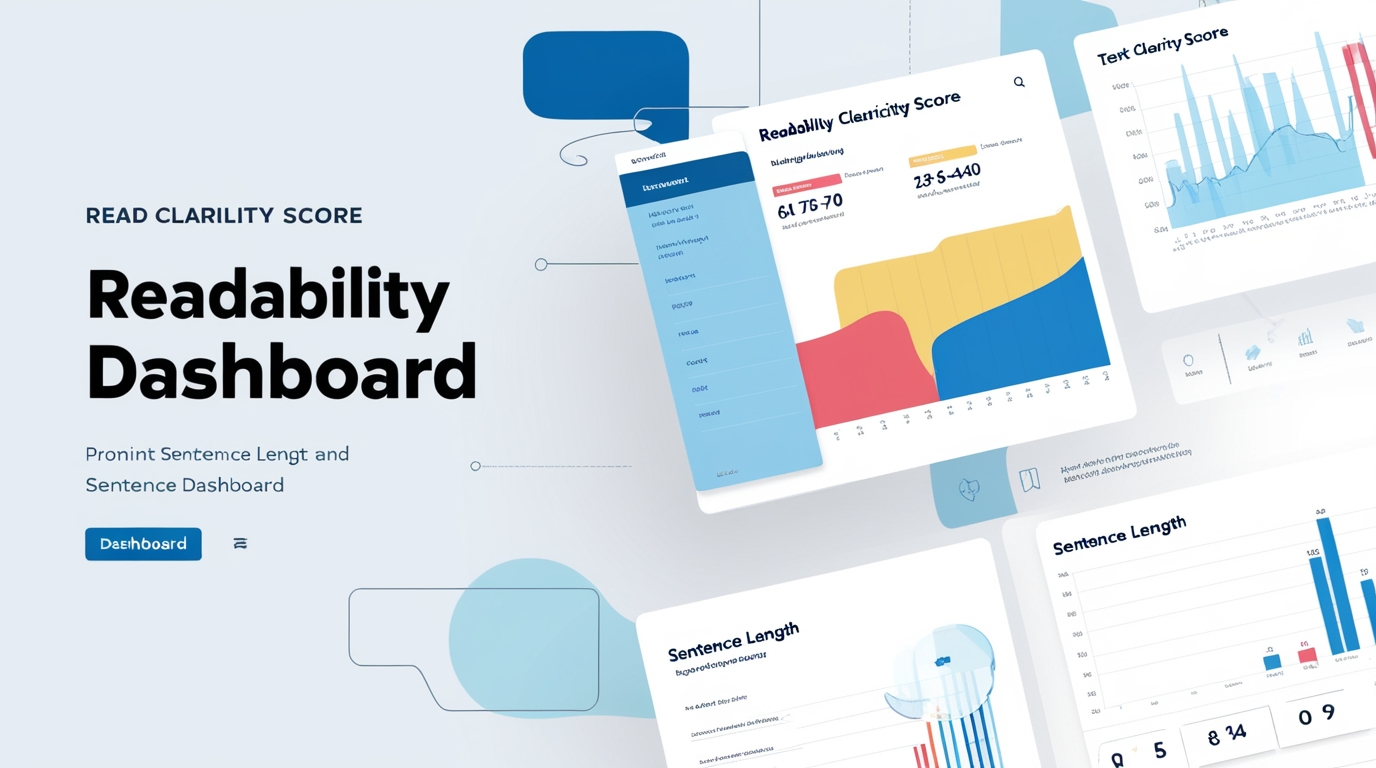
Most writers don’t realize that readability directly affects SEO and user engagement.
Without readability tools:
Content may be too complex
Long paragraphs discourage readers
Beginners can’t understand the message
Search engines prefer content that is easy to read and well structured.
What Happens Without Readability Tools?
Lower time on page
Fewer shares
Poor search rankings
Readability checkers analyze sentence length, word difficulty, and paragraph structure to ensure content is accessible to a wider audience.
4. Overusing or Underusing Keywords
SEO writing without text tools often leads to keyword mistakes, such as:
Keyword stuffing
Missing primary keywords
Unnatural keyword placement
This can cause content to rank poorly—or worse—trigger search engine penalties.
How Online Text Tools Help
Identify keyword density
Suggest better keyword placement
Maintain natural writing flow
Smart writers use SEO-friendly text tools to balance optimization and readability.

5. Writing Content That’s Too Long or Too Short
Without word and character counters, writers often:
Miss platform guidelines
Fail to meet SEO content length
Publish inconsistent articles
Examples:
Meta descriptions exceeding 160 characters
Blog posts under 600 words (poor SEO)
Headlines too long for search results
Online word counter tools ensure content length is optimized for blogs, ads, emails, and social media.
6. Unintentional Plagiarism
Many writers assume plagiarism only happens when copying directly—but that’s not true.
Without plagiarism tools, writers may:
Accidentally mirror existing content
Use common phrases excessively
Rewrite content too closely
This can lead to:
SEO penalties
Content rejection
Loss of originality
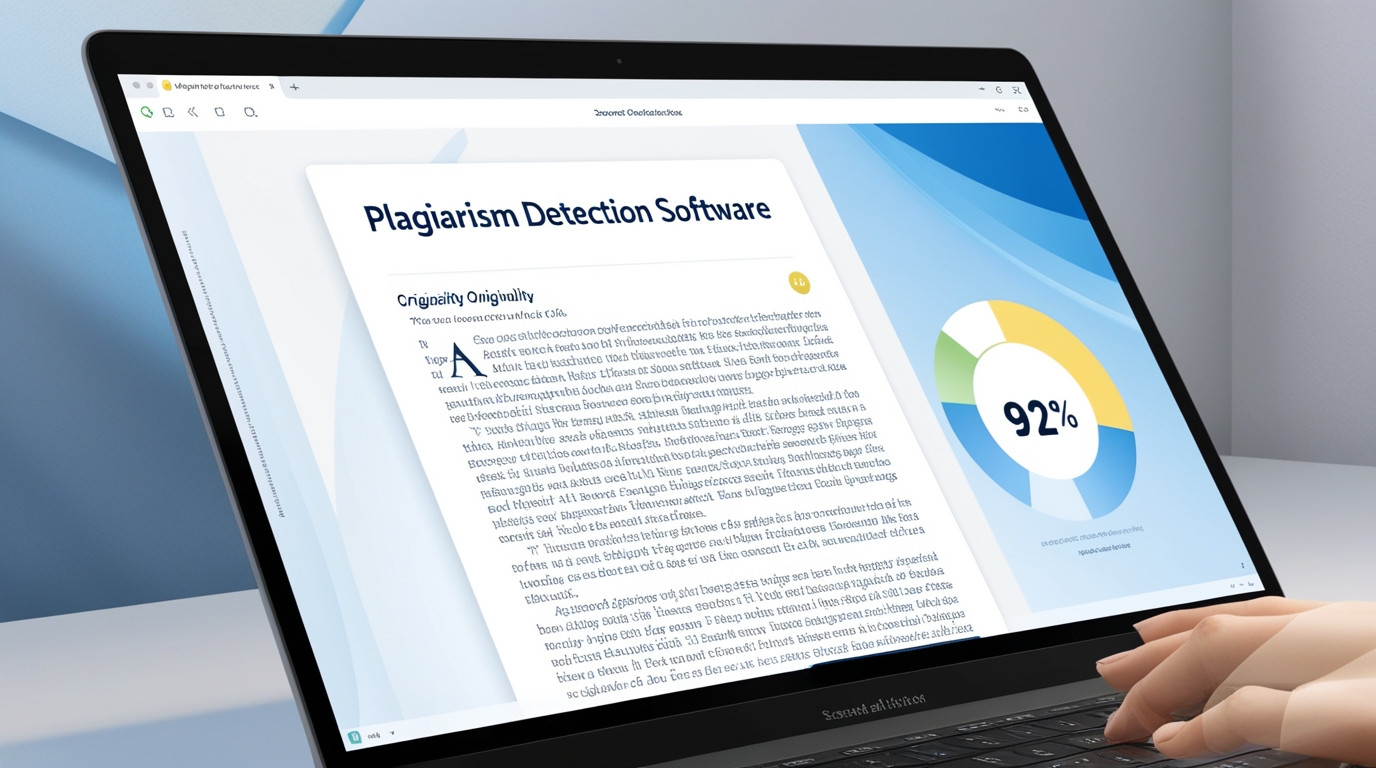
Plagiarism checkers ensure your content remains 100% original and safe.
7. Poor Formatting and Structure
Writers who don’t use formatting tools often publish:
Large text blocks
No headings or subheadings
Inconsistent spacing
This hurts both user experience and SEO.
Good Formatting Includes:
Short paragraphs
Bullet points
Clear H2 and H3 headings
Text formatting tools help structure content for scanning readers and search engines.
8. Weak Headlines and Meta Descriptions
Without headline analyzers and preview tools, writers struggle with:
Low click-through rates
Boring titles
Truncated meta descriptions
Your headline is the first thing users see. If it’s weak, your content won’t get clicks—even if it’s valuable.
Online tools help optimize:
Headline length
Emotional impact
SEO relevance
9. Time Wasted on Manual Editing
Manual editing without digital tools results in:
Slower content creation
Missed deadlines
Writer burnout
Online text tools automate repetitive tasks, allowing writers to focus on creativity and strategy instead of error-hunting.
10. Reduced Chances of Monetization Approval
For websites aiming for Google AdSense approval, content quality is critical.
Without text tools:
Errors reduce trust
Thin content gets rejected
Poor structure fails guidelines
Using online text tools significantly improves:
Content professionalism
Readability
Approval success rates
Why Online Text Tools Are Essential for Modern Writers
Online text tools are not shortcuts—they are smart writing assistants. They help writers:
Improve quality
Save time
Increase SEO performance
Build authority
Whether you are publishing blogs, academic content, or marketing copy, using digital writing tools is no longer optional—it’s necessary.

Final Thoughts
Writing without online text tools is like driving without GPS—you may reach your destination, but you’ll waste time and make unnecessary mistakes.
If you want:
Error-free content
Better SEO rankings
Higher reader engagement
Faster writing workflow
Then online text tools should be a core part of your writing process.
At Tulsi Digital Hub, we believe smart tools create smarter writers. Start using online text tools today and elevate your content quality effortlessly.